

As of October 2021, there are 241 million COVID-19 cases worldwide with 4.91 million COVID-related deaths (Source: Google real-time data). In some countries, people have been required to stay at home for months on end, devoid of any kind of human interactions. Under such circumstances, it is not an overstatement to say that the degree of emptiness and isolation has reached its peak.
Social isolation has long been considered a risk factor for suicidal ideation. Studies have showed that the lack of social interaction and feeling of loneliness are as harmful to one’s well-being as smoking 15 cigarettes a day [1]. Thus, one would expect the overall suicide rate in the country to increase substantially compared to pre-pandemic times, as the prolonged existence of COVID-19 can easily push people over the edge.
Nevertheless, recent statistics have showed otherwise. According to the Centers for Disease Control and Prevention (CDC), the 2020’s suicide rate in the United States went down nearly 6% when the COVID-19 pandemic started. In fact, this decrease to fewer than 45,000 cases was the largest annual drop in at least four decades [2]. What’s even more confounding about this stark decrease is the fact that Americans have reportedly become more depressed and anxious since the onset of the pandemic.
Scientists have proposed several explanations for this phenomenon based on past events. During the Spanish flu in 1918, there was also a similar decrease in the overall number of suicide cases, which leads health professionals to speculate that there are common factors underlying these collective crises [2].
One possible reason is the “pull-together” phenomenon, a psychological term coined by Kathryn Gordon in 2011 that refers to the sense of community that grows during a global or national crisis. It is believed that during times of seemingly insurmountable challenges, it is natural for humans to lean onto each other for emotional support [4]. Even though everyone is physically distant from one another for COVID-19 prevention, that does not prevent us from building an unbreakable rapport.
This connectivity has manifested itself through the sheer number of support networks and hotlines that has been created solely to console struggling individuals and to address the emotional toll of the pandemic. The strong sense of belonging and community cohesion felt through these engagements have enabled a lot of people to find solace in the fact that most people out there are also going through the same pain and loss, and that it is normal to sometimes feel like we are in a very dark place.
Beyond this solidarity, it has also been proved that we are more likely to help others during difficult times [5]. Whether it is helping an old neighbor stock up on enough food for a week, or social media accounts that post comforting messages and affirmations, it is not hard to notice that during tough times, the number of kind gestures actually blossoms. In the case of COVID-19, distance has in fact made the heart grow fonder.
This distance has also enabled family members to become more in tune with one another. Remote working has made it more convenient for working adults to spend time with their children and elderly parents while avoiding commute stress [6]. Even though it means decreased in-person connections with colleagues, more people have found peace through spending quality time with family members and reported immense gratitude for this blessing.
Working from home has also made it easier for people to take care of their physical and mental wellbeing. Away from the daily hustle and bustle, many have made time for mindfulness practices, which enable them to connect with their inner selves and simply be present. Even though we are innate social animals, time away from the busy world outside proves to be the key to true inner peace and genuine appreciation for life and people around us.
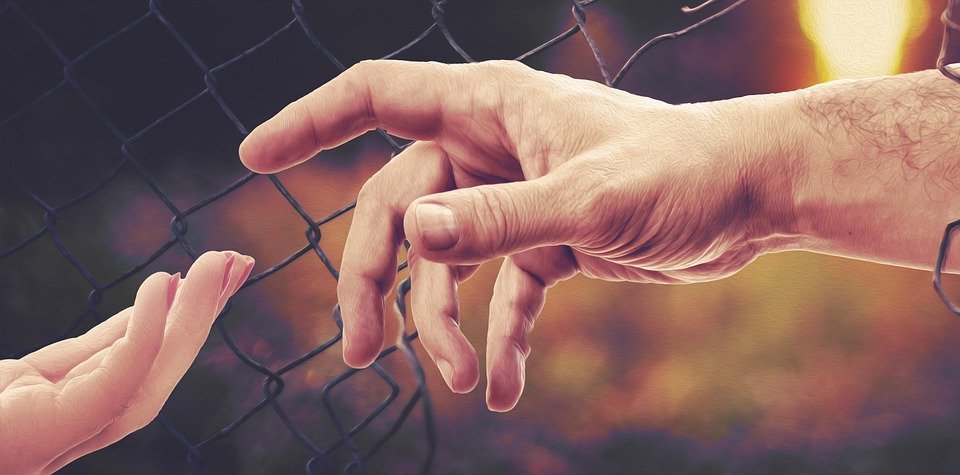
According to Dr. Leela Magavi – regional medical director for Community Psychiatry in Newport Beach, California, many of her patients also reported having a clearer sense of purpose after the worst waves of the pandemic [2]. Understanding the precarious nature of life, more people have come to appreciate things they often take for granted and re-evaluate their priorities in order to lead more meaningful lives when things return to normal.
Despite the rather optimistic decrease in suicide rate, we still need to be cognizant of how this data differs among various demographics. According to the New York Times, states like Illinois, Maryland, and Connecticut actually witnessed an increase in suicide rate among non-White populations. Specifically, in Illinois, the overall suicide rate decreased by 6.8% but increased up to 27.7% among its Black residents [2].
There are also inconclusive data regarding the suicide rate among adolescents and teenagers. Even though the official census results for 2020 have not been released, a preliminary study in Texas has confirmed an increase in suicidal ideation among young people from 11 – 21 during the first few months following lockdowns [3]. Devoid of daily interactions with friends and trapped in their bedrooms for months, most teenagers are vulnerable to aversive effects of social isolation and choose suicide as an escape.
Using the gender lens, we also see an increase in the suicide rate among women in some Southeast Asian and South Asian countries. A study conducted in Japan has showed that the monthly suicide rate there increased by 16% during the second wave of the pandemic. Other studies in Philippines and Saudi Arabia mirrored this finding to an extent [7].
These stark differences remind us to take into consideration the complexity of the issue of mental health during the pandemic without being misled by the overly optimistic overall statistics.
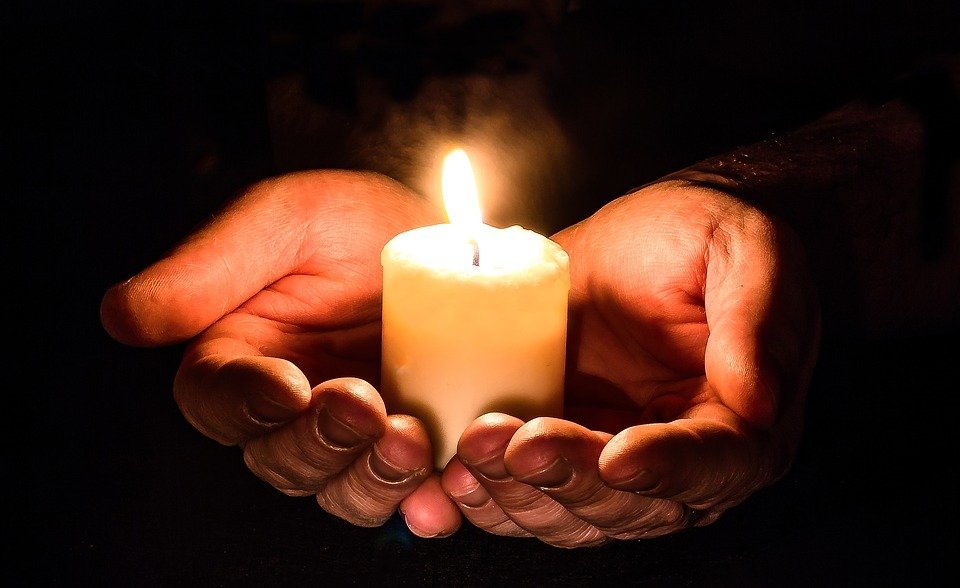
Even though the ravaging impacts of COVID-19 have showed no signs of abating, we have the right to remain hopeful that, like every other crisis that the human species have weathered in the past, we will once again emerge from the pain and loss, stronger than ever. As long as each of us chooses to treat each other with kindness, embrace the beauty in the simplest things, and follow the light at the end of the tunnel, we are bound to see unexpected, beautiful outcomes.
As Serena Sun – founder of Breaking Taboo – said: “Personally, I have felt positive benefits of living a more relaxed life where remote working has been the norm instead of the outlier. I have experienced more peace away from the hustle and bustle. It has forced me to concentrate more on the simpler things, and I have definitely been more appreciative and grateful of the things one might have normally had taken for granted. In addition, getting to spend more time with family has been a positive benefit for me, and I know I’m not the only one to say that. I know that I am one of the lucky ones that can say that. The truth is we don’t need a lot to feel happiness, and gratefulness is at the heart of contentment.”
~ Audrey Chau
References:
[1] Monzingo, A. (2020, September 9). Stay connected: Social isolation is a risk factor for suicide. Nebraska Methodist Health System. Retrieved October 20, 2021, from https://bestcare.org/news/20200909/stay-connected-social-isolation-risk-factor-suicide
[2] Hicks, T. (2021, April 13). Why suicides decreased during COVID-19 pandemic. Healthline. Retrieved October 20, 2021, from https://www.healthline.com/health-news/why-suicides-have-decreased-during-the-covid-19-pandemic
[3] Carballeira, R. P. (2021, June 24). What has been the effect of the pandemic on the suicide rate of the U.S. population? Health Feedback. Retrieved October 20, 2021, from https://healthfeedback.org/what-has-been-the-effect-of-the-pandemic-on-the-suicide-rate-of-the-u-s-population/
[4] Olson, R. (2016, September 2). Natural disasters and rates of suicide: A connection? Centre for Suicide Prevention. Retrieved October 20, 2021, from https://www.suicideinfo.ca/resource/naturaldisastersandsuicide/
[5] Vergin, J. (2020, March 31). Solidarity: How the coronavirus makes us more willing to help: DW: 31.03.2020. DW.COM. Retrieved October 20, 2021, from https://www.dw.com/en/solidarity-how-the-coronavirus-makes-us-more-willing-to-help/a-52968633
[6] McCarthy, E. (2021, April 23). The pandemic gave parents the chance to work from home. now they don’t want to give it up. The Washington Post. Retrieved October 20, 2021, from https://www.washingtonpost.com/lifestyle/2021/04/19/work-from-home-parents-remote-flexibility/
[7] Santoni, S., Ferrari, A., Dangel, W. J., & Syailendrawati, R. (2021, September 10). Women and suicide during COVID-19: Think global health. Council on Foreign Relations. Retrieved October 20, 2021, from https://www.thinkglobalhealth.org/article/women-and-suicide-during-covid-19
[8] Rabin, R. C. (2021, April 15). U.S. suicides declined over all in 2020 but may have risen among people of color. The New York Times. Retrieved October 20, 2021, from https://web.archive.org/web/20210415202055/https:/www.nytimes.com/2021/04/15/health/coronavirus-suicide-cdc.html
[9] Gordon, K., et al. (2011). The impact of the 2009 Red River Flood on interpersonal risk factors for suicide. The Journal of Crisis Intervention and Suicide Prevention, 32(1),52-55. DOI: 10.1027/02275910/a000051