

When I was a youth in the 80s and the 90s, mental health was never a priority. It wasn’t even a topic anyone I knew talked about.
Most people, not within the mental health profession, hadn’t heard about bipolar disorder (previously called ‘manic depression’) or borderline personality disorder–or if they had, they had no substantial idea of what they were. Mention of illnesses like schizoaffective disorder and schizophrenia were reserved for the cinema (e.g. A Beautiful Mind). And even then, no one within average society was put on high alert that one day, these illnesses would infiltrate their lives–not to mention upend them.
In 2001, I was a junior in high school and suffering from a heinous bout of depression. I distinctly remember picking up a magazine and the cover featured a girl with a line drawn down the middle of her face, and it read: Bipolar Disorder. (At least, that’s what my memory tells me.) I simply tossed the magazine aside. I’d never heard of the disease at the time. I had no interest in it all, but how ironic, that that was the illness I was diagnosed with eight or nine months later in a psychiatric ward.
I always wondered if I had known more…if mental illness was a topic they taught in health class alongside the reproductive cycle and bodily changes due to puberty, maybe I wouldn’t have tossed aside that magazine, but rather, picked it up and read the article.
Knowledge is power, and even in the 2000s, there we were. Dumb as dumb can be about mental health.
I don’t say that to offend anybody. (And this doesn’t pertain to mental health professionals, or government officials, or anyone else who did know). I am just making a point that we were in the dark about so many things when it came to mental illness and mental wellness. We thought slapping on our spandex pants and unitards and running in place was all we needed to do to be well.
But now we know. We need so much more.
I could just type, “do Self-care” and call it a day.
But I won’t because though yes, self- care is important, it is not the only thing that will help you get through any mental challenge the universe thrusts in your orbit.
Apart from self-care, people with mental health conditions NEED:

- Knowledge
Imagine you have the flu. You infuse your immune system with Emergen-C, Vitamin C, electrolytes, maybe Mucinex or NyQuil. You drink gallons of fluids. You rest. You eat chicken noodle soup. All tried and true items that will help you get better–eventually.
You knew about these items because you’ve been following this “get well” routine since you were 20. You don’t panic (at least if it was pre-Covid) because you realize this is just the common flu and it will go away after a few days or a week. Maybe a little longer.
You might consult your doctor if symptoms persist past the 1-week-mark, and they prescribe you antibiotics to help kill the virus. A week or two later, you are back to your healthy self.
Again, it goes back to KNOWLEDGE. You knew how to do all this stuff because you’ve been through it before. You’re not worried because you know it’s just the flu and it’ll go away eventually.
Now, imagine you have bipolar 1 disorder, but you haven’t been diagnosed and are experiencing your very first episode. You have no medication to help with the mania, the psychosis, the anxiety and depression–things you can’t even name yet. You don’t consult a doctor because what you are experiencing you can’t even describe to yourself.
You panic and start losing your mind as hallucinations, anxiety, and depression take over. You never learned about bipolar disorder in school. You never knew anyone who had it. You feel the loneliest you’d ever been, and a return to the “olden happy days” seems nearly impossible. If only you had known, you are not alone. The thought “what is happening to me?” plays on loop in your head. You feel as though you are going insane–you’ve lost all touch with reality. And you might even consider suicide because you don’t know that it is something that WILL go away eventually–not the illness itself, but its aggressive symptoms. Your reaction stems from a lack of knowledge.
2. A strong support system
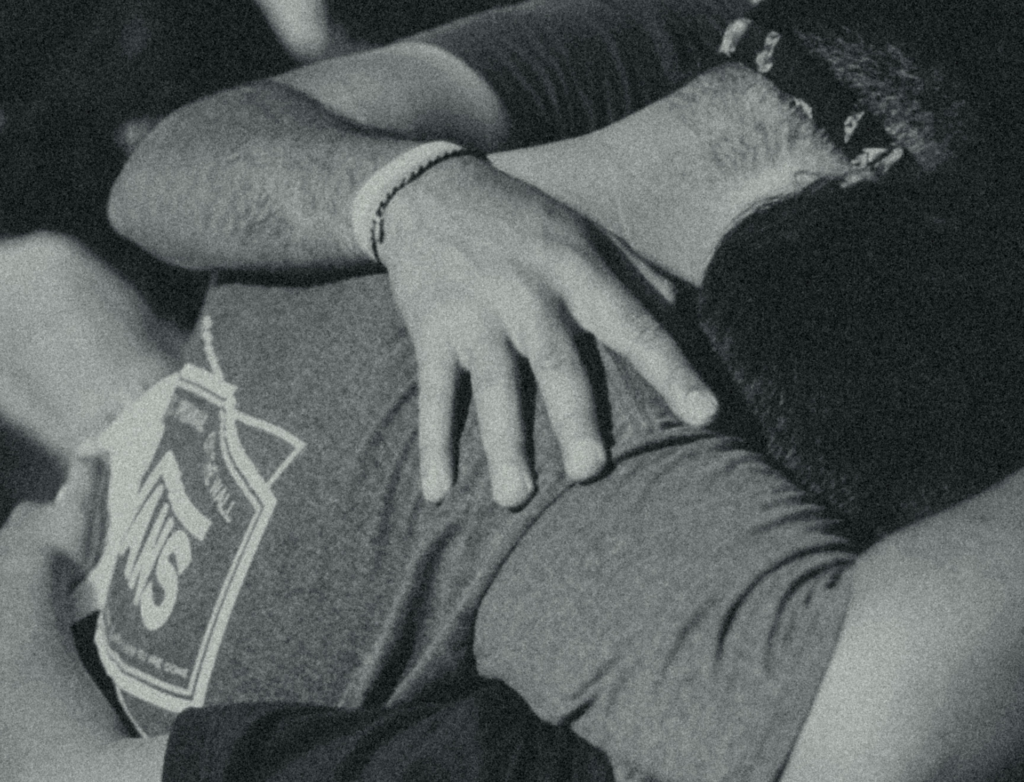
I can’t stress this enough. If you have mental health challenges, you must get an advocate. Someone who knows what you struggle with and can take over when your mind starts giving out. When you get too tired to advocate for yourself and need somebody who not only understands mental illness but knows you so well that if you start acting out of character, they immediately are put on alert. It can be your mom, your sister, your best friend or even a mentor.
You can bring them with you to therapy sessions, when you see your physician. Someone who is always in the loop and isn’t afraid to call you out when you’re acting unlike you. In all 25 years of living with bipolar 1, my mom has been my hugest advocate. When I was struggling at 16 and everybody else thought I was just being a rebellious teenager, my mom pushed back, saying, “No. That is not my daughter.” And she was right. It wasn’t me. It was my undiagnosed illness.
“Many factors contribute to recovery, including having a good support system of people that you like, respect and trust […] what’s important is that you have people you feel comfortable talking to about what you’re experiencing and support you may need” (Mental Health First Aid 2020). “Having a few people you trust…can help you manage everyday challenges, make difficult decisions, or even during a crisis situation. It can also combat social isolation and loneliness, both of which can put you at higher risk for physical and mental health issues including high blood pressure, a weakened immune system, anxiety, depression and more.”

3. Therapy
I kind of hate it. Kind of don’t. Talking about things that bother me, make me angry, or sad–things your friends might get tired of hearing about? A therapist can be that sounding board.
Working on myself so I am not a product of my disease but rather a steward of my own soul–not the funnest—but it’s essential. You have to learn how to advocate for yourself, and going to therapy is an excellent route to getting there. Keeping things to yourself is a tried and faulty coping mechanism. We are not meant to suffer through things alone. Having someone impartial upon whom you can unburden your worries and concerns to is critical. What’s the alternative? Racing thoughts weighing you down that make you miserable, isolated, and alone.
“Therapy helps individuals build coping skills, strengthen relationships, and improve self-confidence while addressing mental health challenges such as strong emotions, past traumas, and social injustices” (MHA 2026).

4. Exercise
Some of us hate it. Some of us thrive on it. Even doing 100 jumping jacks a day is better than none at all. We MUST keep moving. It gets our endorphins going, and boosts the neurotransmitters, serotonin and dopamine, in your brain, helping you to feel better. “An essential component of lifestyle modification is exercise. The importance of exercise is not adequately understood or appreciated by patients and mental health professionals alike. Evidence has suggested that exercise may be an often-neglected intervention in mental health care” (National Library of Medicine 2006).
“Jogging, swimming, cycling, walking, gardening, and dancing, have been proved to reduce anxiety and depression. These improvements in mood are proposed to be caused by exercise-induced increase in blood circulation to the brain and by an influence on the hypothalamic-pituitary-adrenal (HPA) axis and, thus, on the physiologic reactivity to stress. This physiologic influence is probably mediated by the communication of the HPA axis with several regions of the brain, including the limbic system, which controls motivation and mood; the amygdala, which generates fear in response to stress; and the hippocampus, which plays an important part in memory formation as well as in mood and motivation” (National Library of Medicine 2006).
How’s that for a scientific explanation of how the endorphins from exercise make you feel happy? Sometimes a crappy day can be an okay day because you exercised. And even if the boost only lasts for an hour, it is still PROGRESS. I should probably follow my own advice but yes, exercise is EXCELLENT for your mental health.
5. Eating Right
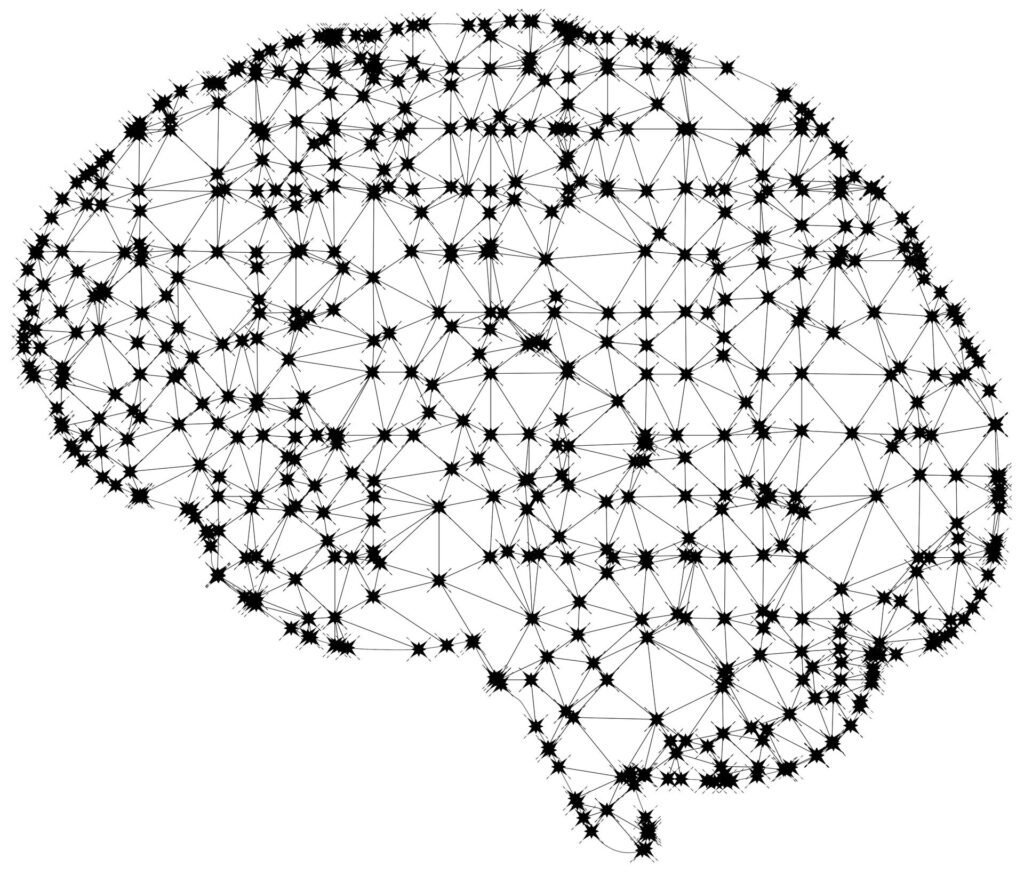
I think, by now, most people have heard that our guts are connected to our brains.
“Believe it or not, the bacteria that live in your gut are also involved in your gut-brain connection. Gut microbes produce or help produce many of the chemical neurotransmitters that convey messages between your gut and brain. They also produce other chemicals that can affect your brain through your bloodstream” (Cleveland Clinic 2023).
So how should we play defense? By playing offense and keeping a healthy balanced diet. Fatty, greasy foods can induce brain fog and temporary mental sluggishness, and let’s be real, kind of makes us feel like crap after we eat it.
“New research from the University of North Carolina School of Medicine has revealed that high-fat junk food disrupts memory circuits in the brain immediately – and that within just four days, neurons in the hippocampus become overactive, impairing memory. In the long-term, according to the researchers, consuming a diet high in saturated fats may raise the risk of developing neurodegenerative disorders such as dementia and Alzheimer’s disease […] ‘What we eat plays a surprisingly big role in how our brain functions and how we feel – both in the short and longer term,’ says Dr Caitlin Hall, a neuroscientist and dietician specialising in the gut-brain axis” (The Telegraph 2025).
6. Medication (in many cases)
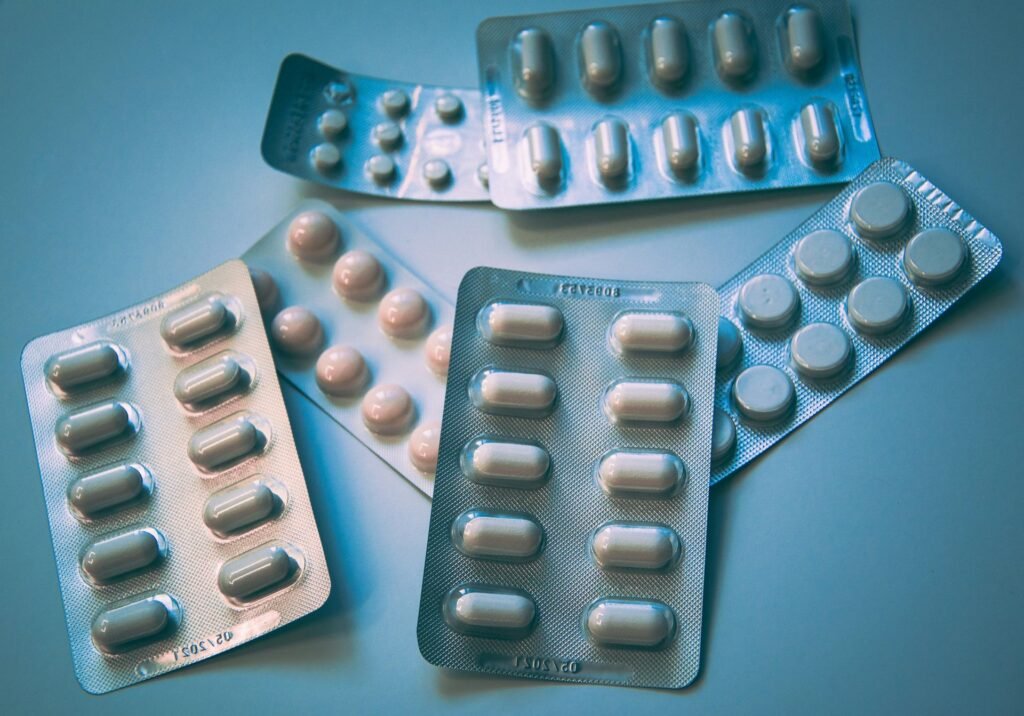
“Not everyone needs psychiatric medication as part of their mental health treatment program. But they can be highly beneficial in managing mood disorders like depression and bipolar disorders, and many types of anxiety. Psychiatric medications are most helpful when combined with psychotherapy, although it’s not required” (Nexus of Hope sec. 1).
Medication is probably the most hated part of treatment. Probably the most essential part of mine. Not everybody needs medication–that is true. However, I do not think that people who do take medication to treat symptoms of their illness should be shamed either. Having to take medication to manage your illness does not make you weak or less capable. Everyone’s brain chemistry is different. Everyone experiences mental health challenges at different stages in life.
There is a substantial amount of taboo around taking psychotropic meds, and that is a tragedy in of itself. Taking a drug like Lithium is no different than having to take insulin–its purpose is to keep you well. The whole of you. I’ve been off of meds before, and it wasn’t pretty, sexy, or fun. Those who are on medication may think, “Wow. I am doing so good. I don’t need my meds anymore.” Well, that might just be because they are working. However, if taking medication really is an issue for you (if you really can’t stand the side effects), talk to your doctor. They are there to help and perhaps, you two can reach some alternative form of treatment together. It is not impossible. But meet with them first before going off of any of your medication. (Please.)

7. Education
The more we know about the disease, the more prepared we can be when it decides to rear its ugly head once again. We can’t always prevent it, but we can implement steps to take when a relapse occurs. Mental health NEEDS to be taught in schools. It NEEDS to be talked about. In June of 2018, “New York and Virginia became the first two states to enact laws requiring mental health education in schools” (CNN 2018). All states should be doing this. In fact, parents should be equipped with tools to combat mental health challenges as well. Mental illness can start at a very young age. Parents will need all the tools that they can get to protect their child and care for their child when symptoms appear that they don’t recognize.
We’ve reached 2026, and we are getting smarter. We aren’t as “in the dark” about mental health as we used to be. But it still is a slow journey to get to universal awareness. “Isn’t having a World Mental Health Day just that?” Yes. But I don’t see our government making any moves to take on the mental health crisis in this nation any time soon. A crisis that undoubtedly affects people without homes, shivering in the cold on our street benches and sidewalks.
The Centers for Disease Control and Prevention (CDC) states that “suicide was responsible for 48,824 deaths in 2024, the highest annual total on record” in the US alone. “Every 40 seconds” worldwide (WHO 2019), we lose a person to suicide, and yet, the matter has not appeared to have reached the Trump administration’s agenda, as seems pretty consistent with that of past administrations.
Why not start small? Why not start at home? Why not start in schools? Maybe if I had learned about mental health when I was 11 in 1996, I would’ve realized when a good friend of mine began to struggle with depression and not decrypt her moodiness as strange and write her off as “unfun” to be around.
And I’m not saying we should teach a seven-year-old about the perils of self-medicating and the dozens of mental disorders that exist. I’m saying, let’s help this seven-year-old understand his feelings. Let’s listen to him. Let’s do everything we can to protect him. When that seven-year-old notices his friend Tommy is sad, let’s encourage him to talk to Tommy. Let Tommy know that he is not alone. Let’s be more alert. More aware. No passing of judgment, no assumptions. Just aware. It’s the least that we can do.
And Lastly, have…
8. Hope and faith (in yourself)
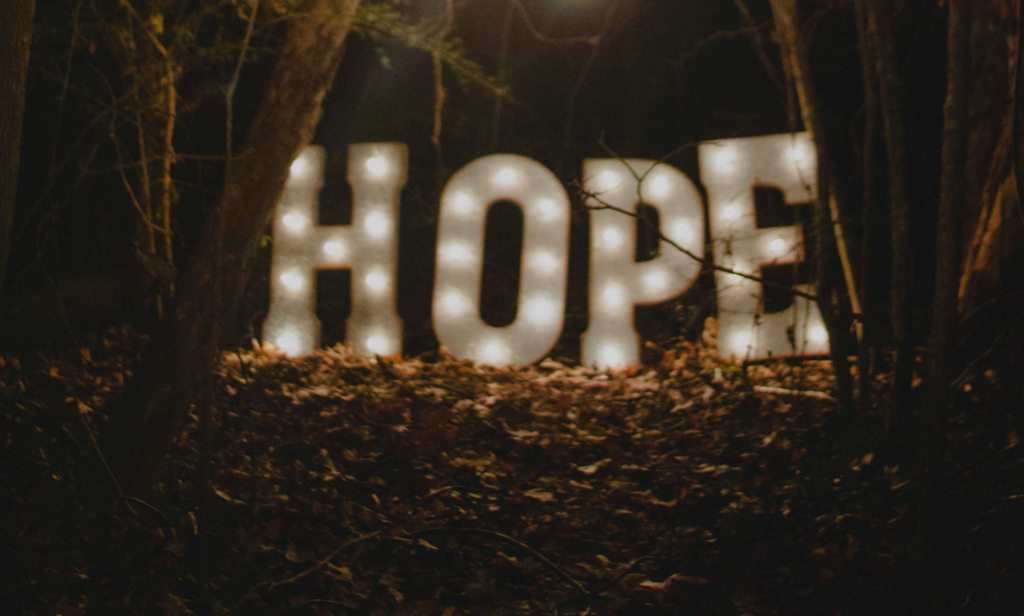
These two…will be the hardest to conjure up. But as hard as it gets, as deep and as dark that ditch you are stuck in is, you must, and I repeat must cling to these two things, as abstract and fleeting as they are. Practice saying “I hope” even if you don’t. Say it enough and you might even find yourself building some. Close your eyes, take a breath, and think about hope for a better tomorrow–faith in better days ahead. Remember a time you felt happy and tell yourself that you WILL be happy again.
It takes time. It takes willpower. Willpower that you didn’t even think you had. But it’s there.
I have lived through four breakdowns in my 41 years, and each time, I didn’t think I’d make it through, I really didn’t. But I kept hoping. I kept wishing. Because it was the only thing I could do. In our darkest times, it is hard to see a way out of the ditch we have found ourselves in. But I hope you keep reaching for the light. I hope you’ll keep fighting, as exhausted as you are. Life is hard–having a mental illness makes it even harder, but we are more than our illness. Our diseases do not define us. Remind yourself–when you’re neck deep in those dark days–that the problem is not you, but your illness. Give yourself some grace. If today feels like a total loss, remember: There’s always tomorrow.
~ Crystal Lancaster

Crystal Lancaster is a Southern California native, writer, public speaker and mental health advocate with 25 years of lived experience.
References:
- The Importance of Having a Support System. (2020, August 6). Mental Health First Aid from The National Council for Well-being. https://mentalhealthfirstaid.org/news/the-importance-of-having-a-support-system/
- Therapy. (2026). Mental Health America. https://mhanational.org/resources/therapy/#:~:text=Therapy%20helps%20individuals%20build%20coping,past%20traumas%2C%20and%20social%20injustices.
- Sharma A., Madaan and Petty. (2006). Exercise for Mental Health. National Library of Medicine. https://pmc.ncbi.nlm.nih.gov/articles/PMC1470658/
- The Gut-Brain Connection. (2023, September 20). Cleveland Clinic. https://my.clevelandclinic.org/health/body/the-gut-brain-connection.
- Dunbar, P. (2025, December 26). The reason you have brain fog after four days of festive indulgence (and how to undo it). The Telegraph. https://www.telegraph.co.uk/health-fitness/diet/nutrition/brain-fog-festive-indulgence/?ICID=continue_without_subscribing_reg_first
- The Benefits and Risks of Taking Psychiatric Medication. (2026). The Nexus of Hope. https://nexusofhope.com/the-benefits-and-risks-of-taking-psychiatric-medications/
- Latham, J. (2026, September 21). Suicide Prevention Requires a Community Approach. Kentucky Lantern. https://kentuckylantern.com/2026/09/21/suicide-prevention-requires-a-community-approach/
- Suicide: one person dies every 40 seconds. (2019, September 9). World Health Organization. https://www.who.int/news/item/09-09-2019-suicide-one-person-dies-every-40-seconds#:~:text=%E2%80%9CDespite%20progress%2C%20one%20person%20still,for%20family%2C%20friends%20and%20colleagues.
- Suicide prevention: WHO Response. (2026). World Health Organization. https://www.who.int/health-topics/suicide#tab=tab_3.
- Kaufman, E. (2018, June 2). New York, Virginia become first to require mental health education in schools. CNN. https://www.cnn.com/2018/07/02/health/mental-health-schools-bn